How To Embroider On Stretchy Fabric (Must-Do Tips For Success!)
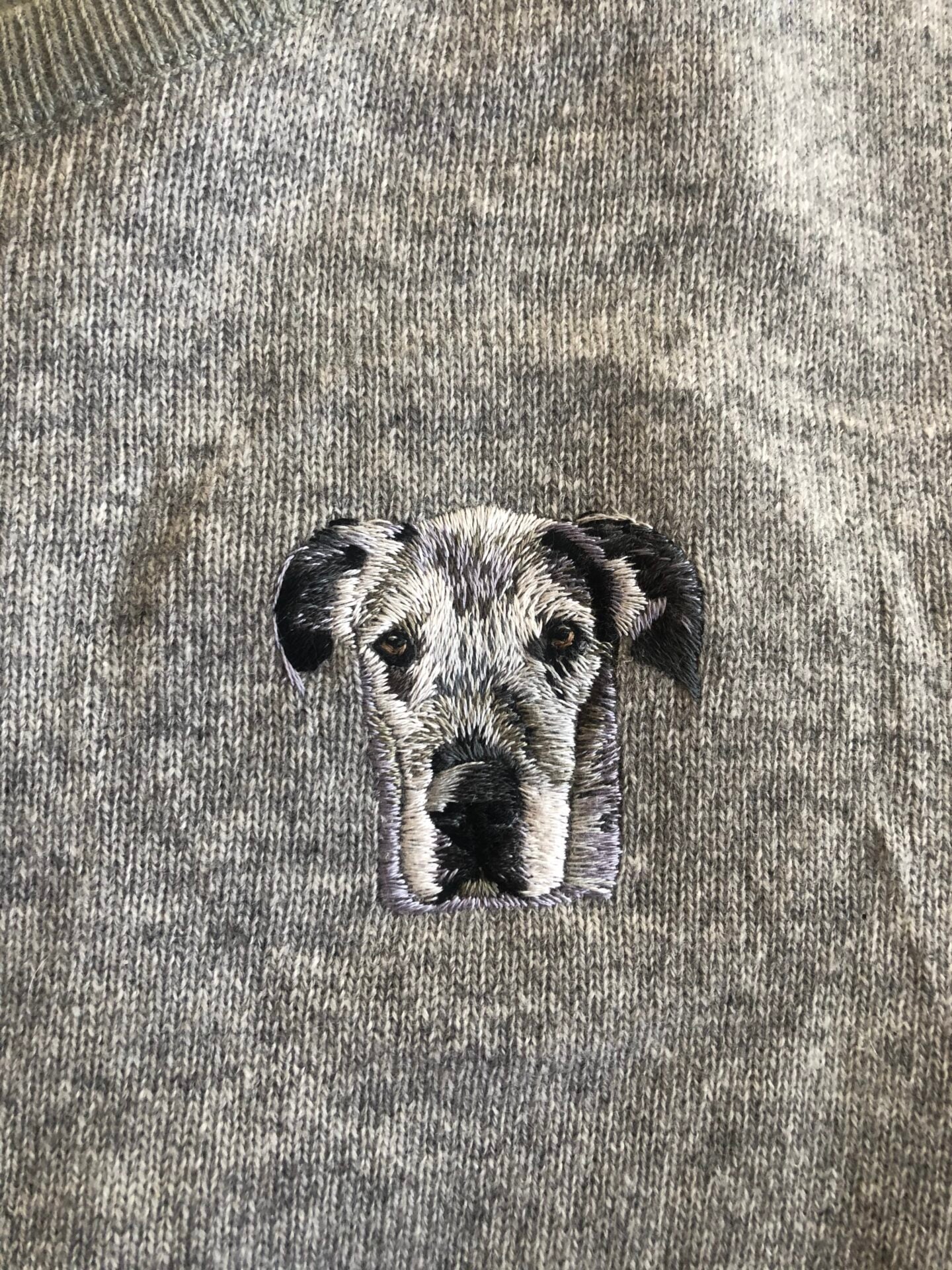
Have you ever tried to embroider on stretchy material, such as a t-shirt or knitwear, only to find it a bit trickier than you expected? You may even wonder whether stitching on fabrics with elastic is feasible. While it can certainly be more challenging, these recommendations I’m going to share with you today will help make the experience of stitching more enjoyable, and ultimately the finished product more desirable.
Disclaimer: This post contains affiliate links, which means I may earn a small commission if you choose to purchase an item.
How To Embroider On Stretchy Fabric
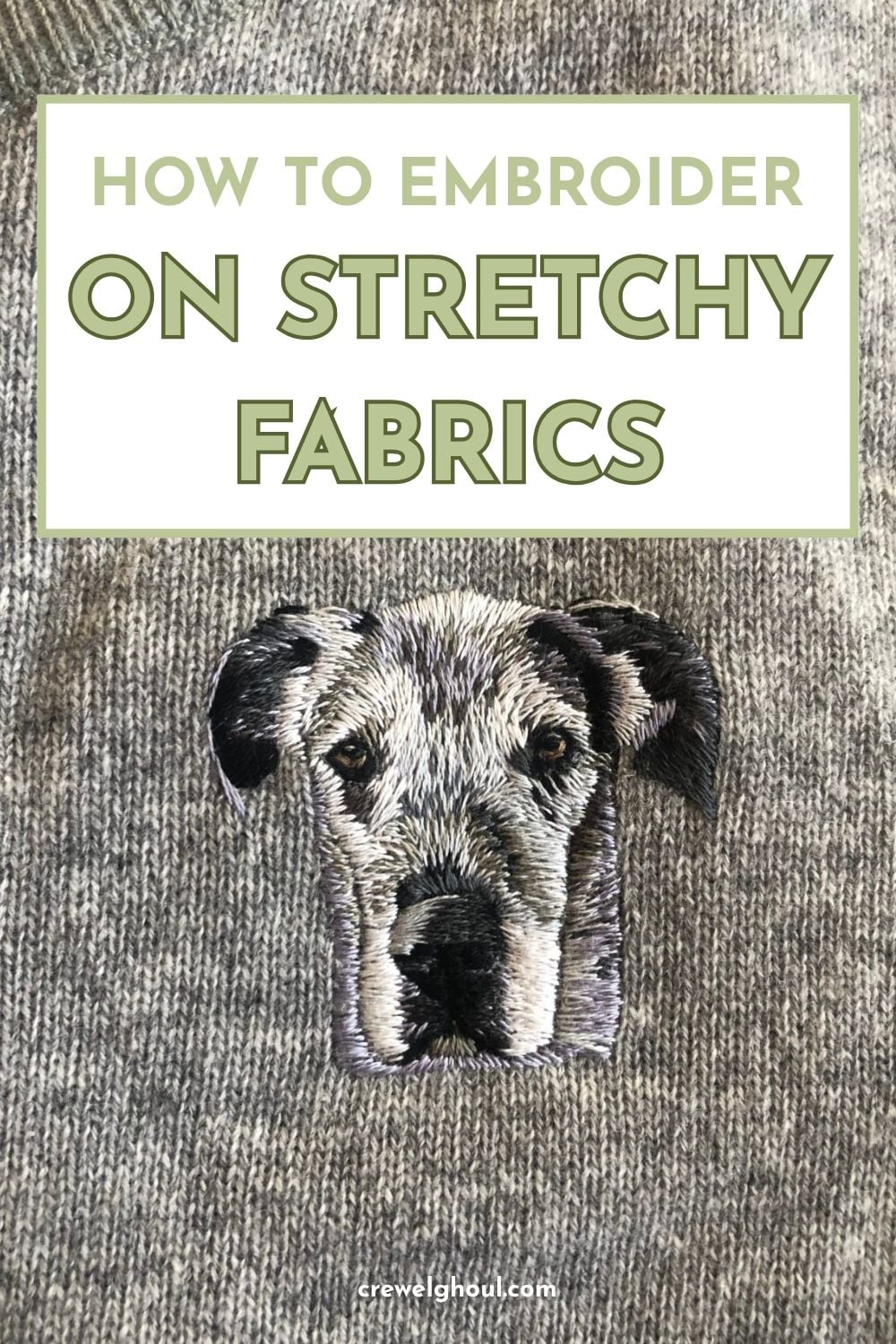
First and foremost, I will be upfront that I prefer fabrics without elastic (this guide shares embroidery fabrics I usually recommend). Still, I will make exceptions from time to time, most often when it comes to embroidering on clothes.
Stretchy fabrics are trickier to work with, mainly because they tend to more easily gather under embroidery stitches, creating unwanted wrinkles. This extra stretchiness can also make it harder to keep the fabric tight while you’re stitching, and it can sometimes be hard to pull the needle through.
On the rare occasion that I choose a stretchy fabric, I make sure to do all four things that I’m about to share with you. They make a world of difference for me, so I hope you find them helpful too!
Use Stabilizer

If you only implement one of these tips, this would be the most important one that will make stitching on stretchy fabric easier. A stabilizer will help provide extra support, preventing it from warping or wrinkling under the tension of embroidery stitches.
I personally use and recommend Pellon Stick-N-Tear Stabilizer. Place some on the back of the article of clothing you’re going to stitch on, and when you’re finished, it tears away easily.
Stabilizers with adhesive tend to work best on stretchy fabrics. However, this is just one of several kinds. If you’d like to learn about the different options, this article explains the different types of embroidery stabilizers.
Use A Smaller Needle
Because stretchy fabrics tend to be knit fabrics with a tighter weave, using a thick needle with a large eye will be harder to get through the fabric. Select a smaller embroidery needle and try using fewer strands of embroidery thread. This makes it much easier to pull through the fabric and also reduces your chances of damaging it.
This needle size guide will help you select the right one.
Be Gentle And Pay Attention To Stitch Tension
You’ll need to use extra care when embroidering on fabric that stretches, so it doesn’t wrinkle. You may have to slow down a bit and be really mindful of how tight you’re making your stitches.
If you notice puckering, stop and try to loosen the stitches. If that doesn’t resolve the problem, use a seam ripper to remove some stitches.
Use An Embroidery Hoop
An embroidery hoop will also help stabilize the fabric. I always use one when I’m stitching on stretchy clothes. It lets me have a bit more control over how I’m stitching the fabric.
Just make sure that when you pull the hoop tight, you aren’t overstretching or distorting the fabric’s weave. And if it feels like the fabric is slipping and not staying tight, binding the hoop helps.
With a little care and practice, along with the right tools, you’ll be able to embroider stretchy fabrics with ease. Have a tip that wasn’t covered in this article? Please share yours in the comments!
My New Book Is Available To Order!
A helpful resource for beginners and seasoned embroiderers alike. Learn how to customize your designs and create embroidery you’re proud of.


![How To Make A Flower Embroidered Scrunchie [Easy DIY]](https://crewelghoul.com/wp-content/uploads/2023/08/IMG_4347-2-scaled.jpeg)