
Using Knots In Embroidery (The Great Debate!)
Many people have strong opinions about whether or not to use knots to start and end embroidery stitches. I am in the camp that either option is valid. It really depends on several factors, which we’ll explore in depth. I’ll share different methods people use, along with reasons you might choose them and when to avoid them.

The Case For Knots
Knots are great for projects that will be washed and/or worn frequently. They give you an extra piece of mind that the stitches are secure and won’t fall out as easily.
Another helpful reason to start with a knot is to add tension to the thread, which can make it easier when you’re making the first stitch with a new strand. This holds especially true for beginners, but it’s also helpful for particular stitches that require just the right amount of tension. (For example, French knots.)
Reasons To Avoid Knots
- They get in the way of stitches. The chain stitch is a prime example. I never use a knot to start a chain stitch because it inevitably gets in the way when I’m making the first stitch.
- Prominent knots along the back of the embroidery can easily create tangles, making them frustrating to manage.
- They can create lumps on the back of the work that may become visible along the front.
- For projects that occasionally show the back, knots can make it look messier.
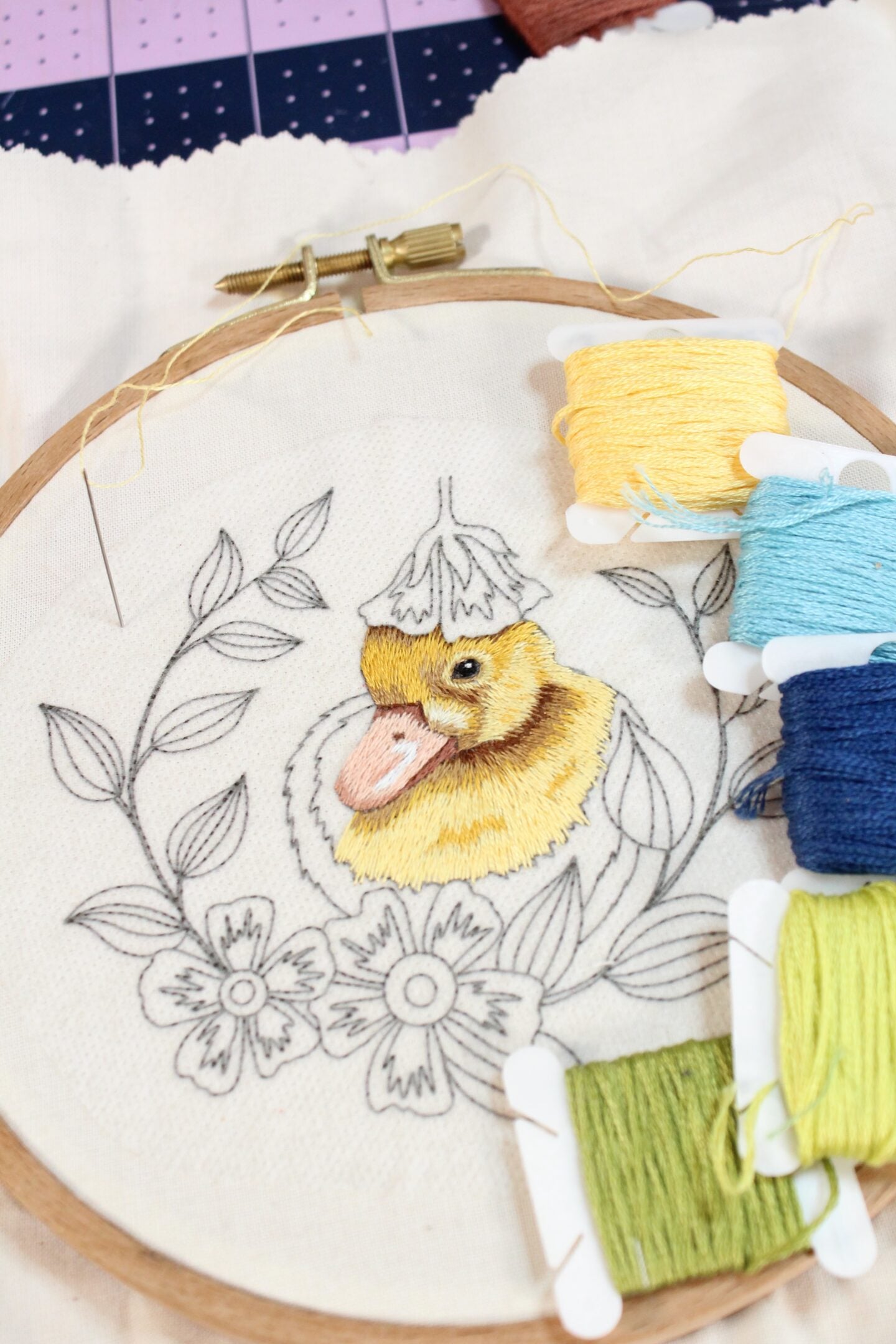
Determining When to Use and Avoid Knots
The guidance on using and avoiding knots is quite loose, so let’s go into specific scenarios with recommendations.
Type of Project
For projects that you plan to frame, knots can sometimes create unnecessary bulk on the back. The tails of thread can also show through, posing a challenge when you’re mounting and framing an embroidery.
When portions of the fabric are cut away, as in cutwork and stumpwork techniques, knots may become exposed.
If you plan to keep a project in the hoop and cover the back with fabric or felt, you may be less inclined to care about how the back looks.
Fabric Types
Thin or sheer fabrics will show more through the fabric, and they will also not be as forgiving if there are large knots on the back of the work.
Medium to heavy-weight twill fabrics and plain weave will usually tolerate and conceal knots when used sparingly.
Style of embroidery
Cross Stitch
Many cross stitchers prefer to avoid knots. They can easily get in the way or snag while you’re stitching, and they aren’t as effective with certain Aida fabrics and linens with larger weaves, so most stitchers prefer the following techniques:
- loop start
- pin stitch
- tucking the tail of the thread under the stitches to secure it
Ribbon Embroidery
Ribbon embroidery is another style that doesn’t fare as well with knots since they create quite a bit of volume on the back of the work. Instead, anchoring stitches work well for starting and ending the ribbon.
Crewel Work
Use knots with caution with crewel work, especially with thicker wool threads because this can create a lot of volume on the back of the work.
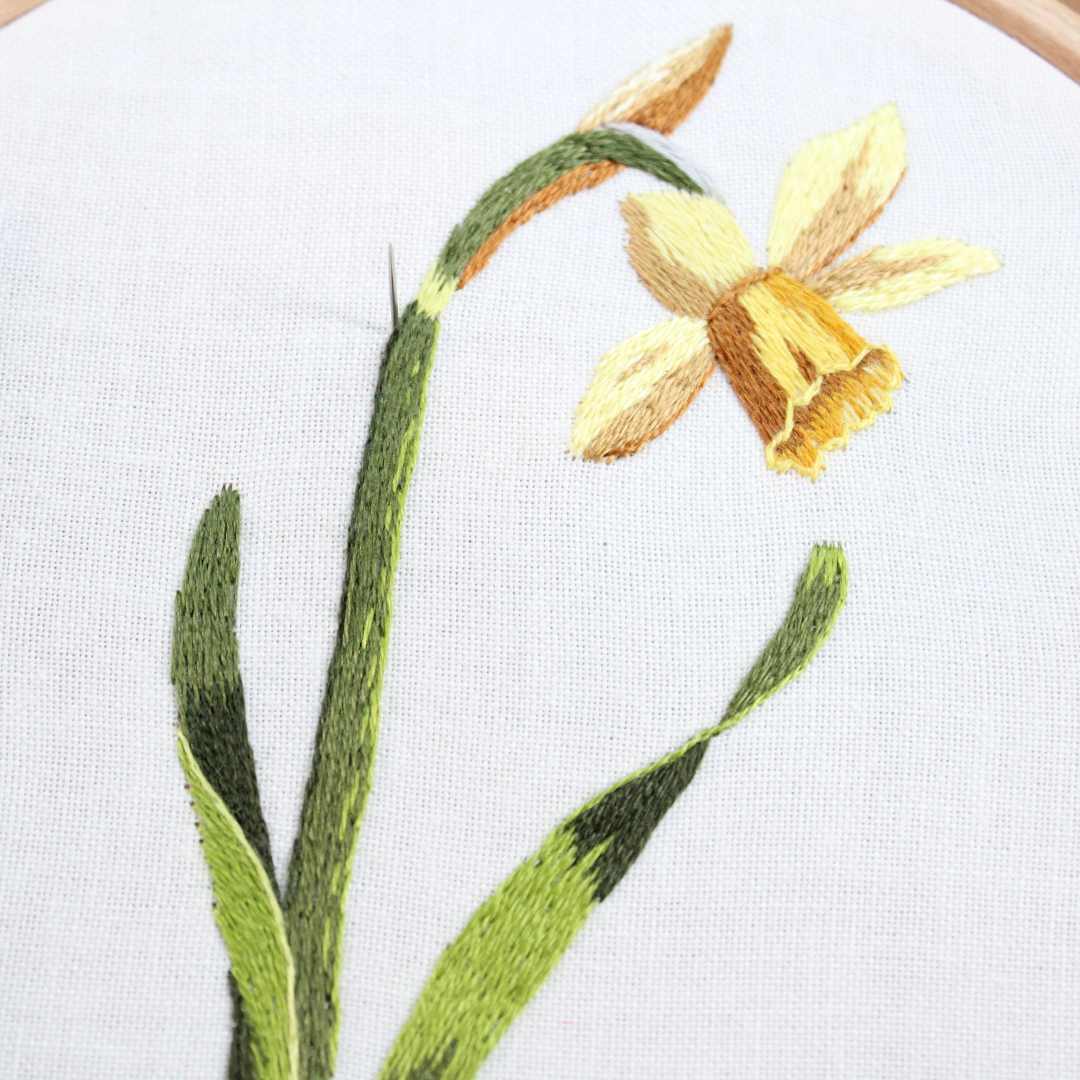
General Surface Embroidery
Surface embroidery can be more forgiving with knots, especially with cotton floss.
- To better control the size of the knot, try using quilter’s knots.
- If you want a secure knot to finish a piece of thread, try using a sewing finishing knot.
- For a temporary knot you can start with, away knots are a great option.
- It may be more challenging to use knots with synthetic or metallic floss, which can be slippery and harder to secure.
Even if you do choose to use knots, it never hurts to be mindful of how many you’re using. When you don’t have a good reason to use one, and where possible, weave the tail of thread in and out of surrounding stitches to end and secure it.
Extra Tips For Using Knots
- Quilter’s knots are easier to control the size of the knot than overhand knots.
- Trim the tail of thread close to the knot to minimize stray threads.
- Only tie two pieces of thread together if they are close to one another. Carrying threads along the back of the work can show through to the front or gather the fabric.
Embroiderer’s Preferences
Don’t just take my word for it! 63 embroiderers answered a survey conducted on Instagram:
- 59% of stitchers said they use knots most of the time
- 27% said they use them occasionally, but it depended on the project
- 14% said they never use knots
Additionally, 46 people participated in another Instagram survey on their favorite method for starting stitches.
- 35% use away knots
- 30% leave a tail of thread
- 17% use a pin stitch
- 17% use a quilter’s knot or a sewing knot
Ultimately, you don’t have to stick to one method for starting and ending threads. Try using a variety to see which are most effective for you!
What is your favorite method for starting and ending stitches, and do you like to use knots? Please leave a comment!
If you found this article helpful, you may enjoy reading about other ways to keep the back of your embroidery neat.


